
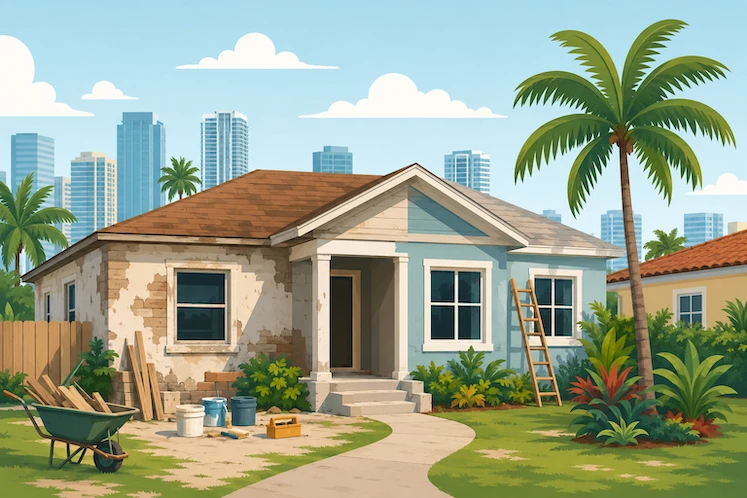
outh Florida real estate continues to attract investors, first-time buyers, and homeowners searching for opportunities in a competitive housing market. One option that keeps getting attention is the fixer-upper. These properties often come with lower listing prices, renovation potential, and the possibility of building equity faster than buying a move-in-ready home.
But in today’s market, many buyers are asking the same question: are fixer-uppers still worth buying in South Florida?
The answer depends on the property, renovation costs, neighborhood trends, and your long-term goals. While some fixer-uppers can turn into profitable investments, others may become expensive projects that take longer and cost more than expected.
This guide breaks down the pros, risks, market conditions, and financial realities of buying fixer-upper homes across South Florida in 2026.
Why Fixer-Uppers Still Appeal to Buyers
South Florida home prices remain high in many areas, especially near Miami, Fort Lauderdale, and West Palm Beach. Because of this, buyers often look at older homes as a way to enter desirable neighborhoods without paying premium prices for fully renovated properties.
Fixer-uppers also appeal to investors looking for rental income or resale opportunities. Some buyers are willing to handle renovations if it means getting more square footage, better locations, or long-term appreciation potential.
In competitive markets, older homes sometimes offer flexibility that newer homes cannot.
Lower Purchase Prices
One of the biggest advantages of a fixer-upper is the lower upfront cost. Homes needing repairs or updates are usually priced below comparable move-in-ready properties.
This creates opportunities for buyers who are comfortable managing renovations or working with contractors over time.
More Inventory in Competitive Markets
Move-in-ready homes in South Florida often receive multiple offers quickly. Older properties with cosmetic or structural issues tend to stay on the market longer, giving buyers more room to negotiate.
For buyers frustrated by bidding wars, fixer-uppers can provide access to neighborhoods that may otherwise feel out of reach.
Potential for Equity Growth
If renovations are done strategically, fixer-uppers can increase in value significantly. Improvements like kitchens, bathrooms, roofing, impact windows, and curb appeal upgrades often improve resale value in South Florida markets.
The Real Challenges of Buying a Fixer-Upper
While fixer-uppers can offer opportunities, they also come with serious risks. South Florida properties face unique challenges tied to climate, insurance costs, permitting, and aging infrastructure.
Buyers who underestimate renovation costs often experience delays, financial stress, and unexpected repairs.
Rising Construction Costs
Labor and material costs remain high across Florida. Roofing, electrical upgrades, plumbing repairs, and hurricane-impact improvements can quickly push renovation budgets beyond expectations.
Even cosmetic projects now cost more than they did just a few years ago.
Insurance Concerns in Florida
Insurance companies have become stricter with older homes in Florida. Outdated roofs, electrical panels, plumbing systems, or aging HVAC units can affect insurability or lead to higher premiums.
Some buyers discover they must complete repairs immediately before securing affordable coverage.
Permits and Code Compliance
South Florida cities often require permits for structural changes, electrical work, roofing, or additions. Older homes may also contain unpermitted work from previous owners.
Before purchasing a fixer-upper, buyers should investigate open permits, violations, and zoning restrictions carefully.
Hidden Structural Issues
Some fixer-uppers need far more than cosmetic improvements. Water damage, mold, foundation problems, termite activity, and outdated wiring are common concerns in older South Florida homes.
A professional inspection is essential before moving forward with any purchase.
Are Fixer-Uppers Better for Investors or Homeowners?
The answer depends on financial goals, renovation experience, and available time.
For Investors
Investors often benefit from fixer-uppers because they can renovate strategically and resell properties at higher values.
South Florida continues to attract cash buyers, landlords, and short-term rental investors looking for opportunities in growing neighborhoods.
However, successful investing depends heavily on buying below market value and accurately estimating repair costs.
Many sellers comparing cash buyers and traditional buyers during a home sale often encounter investors specifically targeting fixer-upper properties.
For First-Time Homeowners
Fixer-uppers can help first-time buyers enter competitive housing markets at lower price points. However, renovation projects require patience, budgeting, and flexibility.
Buyers should prepare for temporary inconveniences, contractor coordination, and unexpected expenses.
Homes requiring only cosmetic updates are usually safer choices for buyers with limited renovation experience.
Best South Florida Areas for Fixer-Uppers
Certain neighborhoods still offer strong fixer-upper potential due to redevelopment, population growth, or rising demand.
Miami-Dade County
Older homes in areas experiencing redevelopment can offer long-term appreciation opportunities. Buyers often target properties with outdated interiors but solid structures.
Neighborhood demand continues increasing due to migration, tourism, and investment activity.
Broward County
Cities across Broward still contain older homes with renovation potential, particularly properties built before the housing boom years.
These homes may appeal to buyers wanting proximity to beaches, employment centers, and transportation access.
Palm Beach County
Palm Beach County continues seeing growth from both retirees and remote workers. Older single-family homes sometimes offer more land and renovation flexibility than newer developments.
Renovation Projects That Add the Most Value
Not every renovation delivers the same return. Buyers should prioritize upgrades that improve functionality, safety, and buyer appeal.
Kitchen Improvements
Updated kitchens continue to attract buyers and improve resale potential. Even moderate upgrades like countertops, cabinets, and lighting can make a noticeable difference.
Bathroom Renovations
Modern bathrooms increase comfort and improve perceived property value. Water-efficient fixtures and updated finishes also appeal to today’s buyers.
Hurricane Protection
Impact windows, reinforced roofing, and storm protection systems matter significantly in South Florida. These upgrades may also improve insurance eligibility.
Exterior and Curb Appeal
Fresh landscaping, exterior paint, lighting, and driveway improvements can dramatically improve first impressions.
When a Fixer-Upper May Not Be Worth It
Not every property is a smart investment. Some homes carry risks that outweigh potential rewards.
Extensive Structural Damage
Homes with major foundation issues, severe mold, flood damage, or collapsing roofs can become financially overwhelming.
Poor Neighborhood Trends
Even a beautifully renovated home may struggle if the surrounding area has declining demand or ongoing crime concerns.
Overpriced Properties
Some sellers overestimate the value of outdated homes simply because South Florida real estate remains competitive. Buyers should compare repair costs against projected resale value carefully.
Financing a Fixer-Upper in South Florida
Financing can be more complicated for distressed properties.
Traditional mortgage lenders may reject homes with serious structural or safety concerns. Buyers sometimes explore renovation loans or cash purchases instead.
Common financing options include:
- FHA 203(k) loans
- HomeStyle renovation loans
- Conventional mortgages for minor repairs
- Cash purchases for heavily distressed homes
Understanding renovation budgets before closing is essential.
Should You Flip or Hold a Fixer-Upper?
Some buyers renovate properties to sell quickly, while others hold them as long-term investments.
Flipping
House flipping depends on buying below market value and completing renovations efficiently. Timing, contractor reliability, and local demand heavily affect profits.
Long-Term Ownership
Holding a fixer-upper long term may provide stronger returns through appreciation and rental income, especially in growing South Florida markets.
Why Some Sellers Choose As-Is Sales Instead
Not every homeowner wants to renovate before selling. Repair costs, time limitations, divorce, inheritance issues, or financial pressure often push sellers toward as-is sales.
In some situations, homeowners dealing with major life changes explore options like selling a house during divorce to avoid prolonged repair projects and listing delays.
Others prioritize speed and convenience over renovation profits, especially when timelines matter.
Get a Free Offer for Your South Florida Property
Whether your home needs repairs, updates, or a complete renovation, you can explore your options before making a decision.
Get A Free Offer
Are Fixer-Uppers Still Worth Buying in 2026?
For the right buyer, fixer-uppers can still be valuable opportunities in South Florida. Lower purchase prices, strong demand, and renovation potential continue attracting investors and homeowners alike.
However, success depends on realistic budgeting, careful inspections, and understanding the true costs of ownership in Florida’s evolving housing market.
Buyers who approach fixer-uppers strategically may still find properties capable of delivering long-term value, equity growth, and investment potential. But skipping inspections, underestimating repairs, or rushing into competitive deals can quickly turn a promising project into an expensive mistake.
FAQ
Are fixer-uppers cheaper in South Florida?
Generally, yes. Fixer-uppers often sell below move-in-ready homes because they require repairs, renovations, or updates.
What repairs cost the most in Florida homes?
Roof replacements, plumbing, electrical systems, mold remediation, and hurricane-impact upgrades are often among the most expensive repairs.
Are fixer-uppers good investments in 2026?
They can be, especially in growing South Florida neighborhoods. Success depends on purchase price, renovation costs, and market demand.
Should first-time buyers purchase fixer-uppers?
It depends on the condition of the property and the buyer’s budget. Cosmetic fixer-uppers are usually less risky than homes needing major structural repairs.
Can you finance a fixer-upper?
Yes. Some buyers use renovation loans like FHA 203(k) financing, while others purchase properties with conventional loans or cash.
Are insurance costs higher for older homes in Florida?
Often, yes. Older roofs, outdated systems, and hurricane risks can increase insurance premiums significantly.