
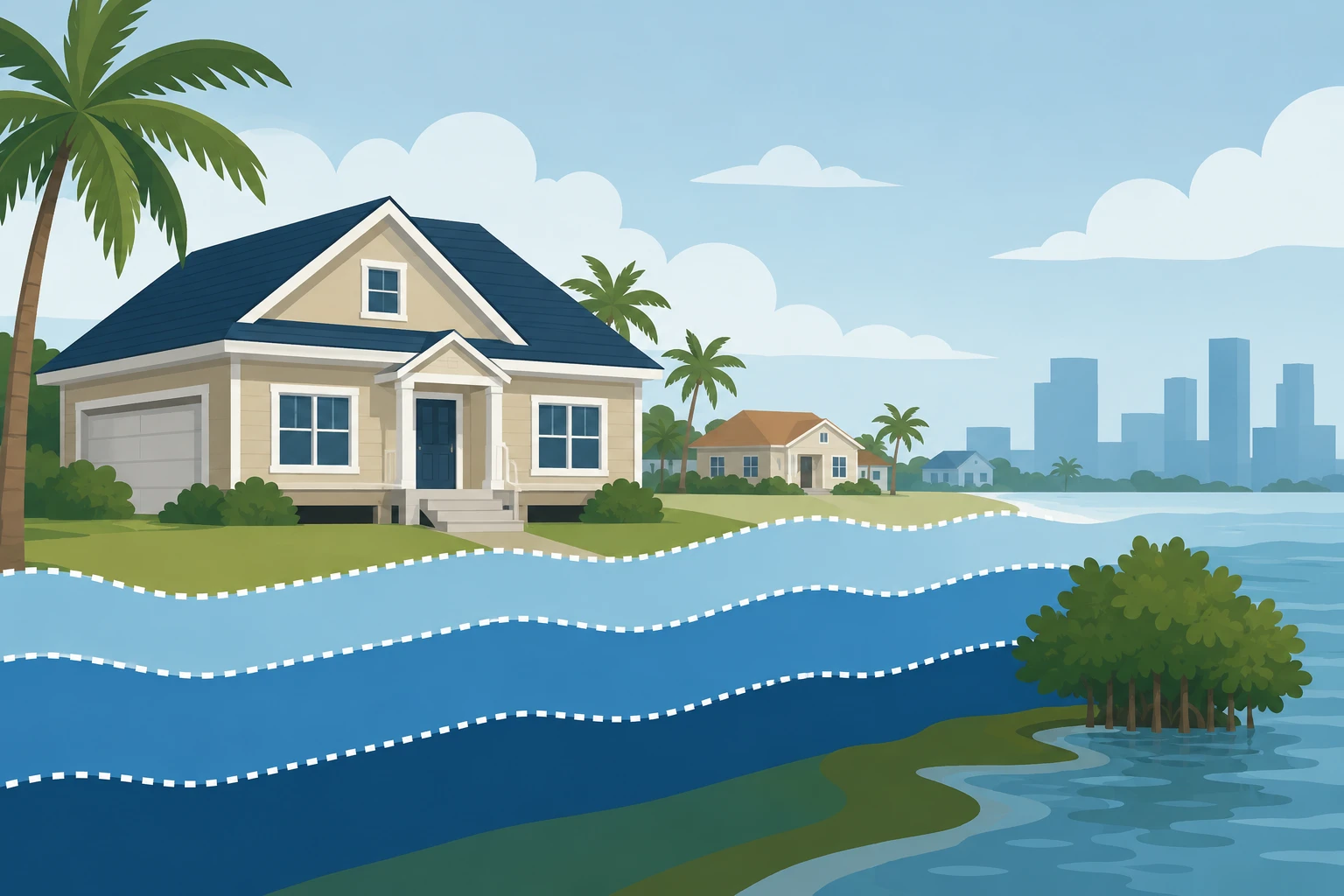
Florida’s beautiful coastlines, warm weather, and growing communities continue to attract homebuyers from across the country. But before you fall in love with a property, there’s one important factor that deserves your attention: flood zones.
Flood risk can affect everything from insurance costs and mortgage requirements to future resale value. Whether you’re buying your first home, relocating from another state, or investing in Florida real estate, understanding flood zones can help you make a smarter decision and avoid unexpected expenses down the road.
In this guide, we’ll break down what flood zones are, how they impact homeowners, and what every buyer should know before purchasing a property in Florida.
What Is a Flood Zone?
A flood zone is a geographic area classified by the likelihood of flooding. These designations are created by the Federal Emergency Management Agency (FEMA) and are used by insurance companies, lenders, and local governments to assess flood risk.
Flood zones help determine:
-
The probability of flooding
-
Whether flood insurance is required
-
Estimated insurance premiums
-
Building and development requirements
-
Property risk levels
While many buyers assume flood zones only affect waterfront homes, flood-prone properties can exist miles away from beaches, rivers, and lakes.
Why Flood Zones Matter in Florida
Florida experiences frequent tropical storms, hurricanes, heavy rainfall, and coastal flooding. Because of this, flood zones play a significant role in real estate transactions throughout the state.
Understanding flood risks before purchasing a property can help you:
-
Budget for insurance costs accurately
-
Avoid unexpected mortgage requirements
-
Evaluate long-term property value
-
Plan for future maintenance and protection measures
-
Make informed investment decisions
A home may look perfect during a showing, but factors beyond appearance can affect ownership costs. Just as buyers often focus on what influences first impressions during tours, many overlook environmental risks that can have a much larger financial impact. Learning what buyers notice during initial property walkthroughs can help put flood considerations into perspective.
Understanding Common Florida Flood Zones
Zone X: Low to Moderate Risk
Zone X is considered one of the lower-risk flood designations.
Properties in Zone X generally:
-
Have a lower chance of flooding
-
Typically do not require flood insurance by lenders
-
May still benefit from optional flood coverage
Many buyers mistakenly assume Zone X means zero flood risk. In reality, flooding can occur almost anywhere during severe weather events.
Zone AE: High-Risk Flood Area
Zone AE is one of the most common flood zones in Florida.
Characteristics include:
-
A 1% annual chance of flooding
-
Mandatory flood insurance for federally backed mortgages
-
Established base flood elevation requirements
Many coastal and inland communities contain properties located within Zone AE.
Zone VE: Coastal High Hazard Area
Zone VE represents some of the highest-risk flood areas in Florida.
These properties face:
-
Coastal storm surge exposure
-
Wave action during hurricanes
-
Strict construction regulations
-
Higher insurance premiums
Homes directly along beaches and coastal regions frequently fall into this category.
Special Flood Hazard Areas (SFHAs)
Special Flood Hazard Areas include zones where flooding is considered more likely.
Properties in these areas often require:
-
Flood insurance
-
Additional lender reviews
-
Compliance with local building standards
Understanding whether a home is located within an SFHA is critical before making an offer.
How to Determine If a Property Is in a Flood Zone
Before purchasing a home, buyers should verify flood zone information through multiple sources.
Review FEMA Flood Maps
FEMA’s Flood Map Service Center provides flood zone information for properties nationwide.
Flood maps can show:
-
Current flood designations
-
Base flood elevations
-
Floodplain boundaries
-
Historical updates
Ask Your Real Estate Agent
Experienced Florida real estate professionals can often identify properties with known flood concerns and help explain local flood-related requirements.
Request Seller Disclosures
Florida sellers may disclose previous flooding events, insurance claims, or known property issues.
Even if a property sits outside a high-risk zone, a history of flooding should prompt further investigation.
Contact Insurance Providers
Obtaining flood insurance quotes before submitting an offer can prevent surprises later in the transaction process.
Does Flood Insurance Always Cost a Lot?
Not necessarily.
Insurance premiums depend on several factors, including:
-
Flood zone classification
-
Property elevation
-
Home age
-
Construction type
-
Coverage limits
-
Claims history
A property in a high-risk zone may carry significantly higher premiums than a similar home located just outside a designated floodplain.
Some buyers focus solely on purchase price and overlook recurring costs such as flood insurance, homeowners insurance, and maintenance expenses. These factors can dramatically impact affordability over time.
When Is Flood Insurance Required?
Flood insurance is generally required when:
-
A property is located in a high-risk flood zone
-
The mortgage is federally backed
-
The lender requires coverage
Even if insurance is not mandatory, many Florida homeowners choose to carry flood insurance voluntarily.
According to FEMA data, a substantial percentage of flood claims occur outside designated high-risk areas. That means low-risk does not mean no risk.
Can a Home’s Flood Zone Change?
Yes.
Flood zones can be updated due to:
-
New FEMA mapping
-
Changes in development patterns
-
Improved flood-control infrastructure
-
Updated environmental studies
-
Coastal erosion
A property that sits in a lower-risk zone today could be reassessed in the future.
Buyers should review the property’s history and ask whether flood zone classifications have changed over time.
How Flood Zones Affect Property Value
Flood zones can influence home values in several ways.
Higher Ownership Costs
Properties requiring flood insurance may have higher monthly expenses, reducing affordability for some buyers.
Smaller Buyer Pool
Some buyers intentionally avoid high-risk flood areas, limiting future demand.
Resale Considerations
Flood risk may become a larger consideration as insurance costs continue evolving throughout Florida.
Potential Investment Opportunities
In some markets, flood-zone properties may sell at lower prices compared to nearby homes outside designated flood areas.
For investors willing to evaluate risk carefully, these properties can sometimes present opportunities.
Questions Buyers Should Ask Before Purchasing
Before committing to a property, consider asking:
Has the Property Ever Flooded?
Past flooding does not automatically make a home a bad investment, but it is valuable information when assessing risk.
What Is the Current Flood Insurance Premium?
Insurance costs can significantly affect monthly ownership expenses.
Has Flood Insurance Ever Been Claimed?
Previous claims may indicate recurring issues.
Are There Elevation Certificates Available?
Elevation certificates can help determine insurance rates and verify compliance with flood regulations.
What Flood Mitigation Improvements Have Been Made?
Ask about:
-
Elevated foundations
-
Drainage improvements
-
Flood vents
-
Stormwater management systems
-
Seawalls or retaining structures
What Happens if You Want to Sell a Flood-Zone Property?
Many flood-zone homes sell successfully every year throughout Florida.
The key is transparency and preparation.
Sellers who understand insurance requirements, provide documentation, and address concerns proactively often experience smoother transactions.
In some situations, homeowners face additional complications beyond flood concerns. For example, unresolved permits can create another layer of complexity when selling. Understanding the process of managing unpermitted property issues can help sellers avoid delays.
Alternatives for Homeowners Looking to Sell Quickly
Some homeowners choose to avoid the traditional listing process altogether.
This may be especially appealing when dealing with:
-
Flood-damaged properties
-
Costly repairs
-
Insurance challenges
-
Time-sensitive situations
Learning how Florida home buying companies operate can provide insight into alternative selling options available throughout the state.
For homeowners considering cash offers, researching trusted local cash buyers can help ensure a smooth and secure transaction.
Likewise, sellers comparing different sales strategies may benefit from understanding the advantages and disadvantages of private versus public sales before making a final decision.
Tips for Buying a Home in a Florida Flood Zone
If you’re considering a property within a flood-prone area, keep these best practices in mind:
Get Insurance Quotes Early
Don’t wait until underwriting to learn your flood insurance costs.
Review Historical Flood Data
Past flooding patterns can reveal risks that maps alone may not show.
Budget Beyond the Mortgage
Factor in:
-
Flood insurance
-
Homeowners insurance
-
Maintenance
-
Hurricane preparedness costs
Work With Local Experts
Florida-specific knowledge is invaluable when evaluating flood risk and insurance requirements.
Think Long Term
Consider how flood risk could affect future resale opportunities and ownership costs.
Frequently Asked Questions
Is buying a home in a Florida flood zone a bad idea?
Not necessarily. Many flood-zone properties are excellent homes and investments. The key is understanding the risks, insurance costs, and long-term implications before purchasing.
Can I buy a house in a flood zone without flood insurance?
If your lender requires flood insurance due to the property’s designation, coverage will typically be mandatory. Otherwise, it may be optional.
How can I check a home’s flood zone?
You can review FEMA flood maps, speak with your real estate agent, contact local authorities, or request documentation from the seller.
Do all Florida homes need flood insurance?
No. However, many homeowners choose to purchase coverage even when it is not required.
Does flood insurance cover hurricane damage?
Flood insurance generally covers flooding caused by storm surge and rising water. Wind damage is usually covered under separate homeowners or windstorm policies.
Final Thoughts
Flood zones are an important part of buying real estate in Florida, but they shouldn’t automatically discourage you from purchasing a property.
The most successful buyers understand the risks, evaluate insurance costs, review property history, and make informed decisions based on the complete financial picture.
With proper research and guidance, you can confidently navigate Florida’s flood zone landscape and find a property that meets both your lifestyle and investment goals.
If you’re exploring your options as a buyer or seller, the team at Supreme Royalty Investments can provide a free estimate and help you better understand your property’s value in today’s Florida market.