
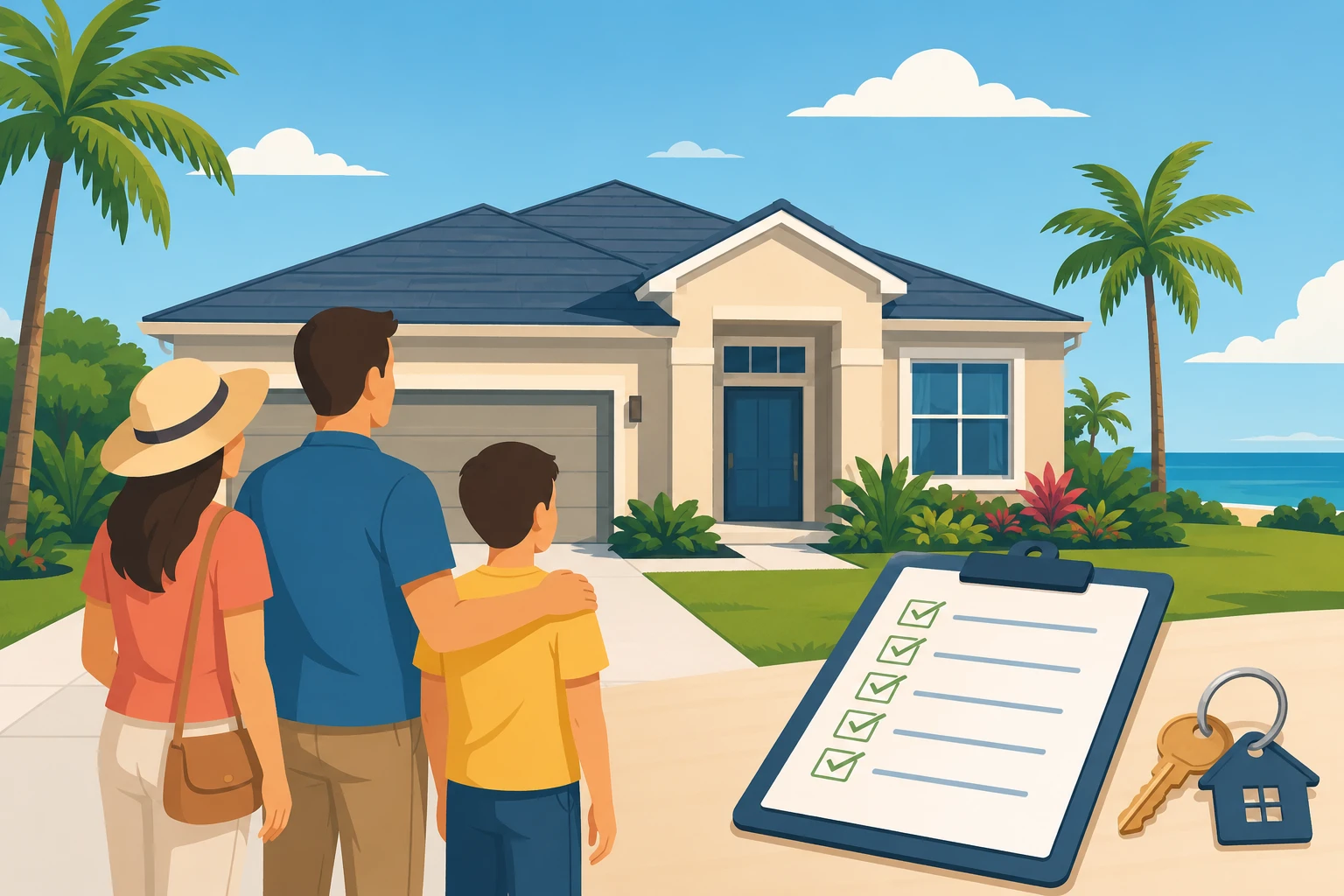
Buying a home is one of the biggest financial decisions you’ll ever make. If you’re planning to purchase property in the Sunshine State, having a clear Florida homeownership checklist can help you avoid costly mistakes, stay organized, and move confidently through the process.
Florida continues to attract homebuyers from across the country thanks to its warm climate, strong job market, diverse communities, and favorable tax environment. Whether you’re buying your first home, relocating from another state, or investing in your future, understanding each step of the homebuying journey is essential.
This comprehensive Florida homeownership checklist walks you through everything you need to know before, during, and after purchasing a home.
Why Florida Remains a Popular Place to Buy a Home
Florida offers unique advantages that continue to attract buyers year after year.
The state has no personal income tax, a growing economy, and countless lifestyle options ranging from beachfront communities to suburban neighborhoods and vibrant urban centers.
Many buyers are drawn to Florida because of its affordability compared to other coastal states, while others are attracted by retirement opportunities, investment potential, and year-round outdoor living.
Before starting your search, it’s important to understand the local market and prepare for the responsibilities that come with homeownership.
Step 1: Evaluate Your Financial Readiness
Before browsing listings or scheduling showings, assess your financial situation.
Review Your Credit Score
Your credit score plays a significant role in determining mortgage approval and interest rates.
A higher score can help you qualify for better loan terms, potentially saving thousands of dollars over the life of your mortgage.
Review your credit report and resolve any inaccuracies before applying for financing.
Calculate Your Budget
Determine how much home you can realistically afford.
Consider:
-
Monthly mortgage payments
-
Property taxes
-
Homeowners insurance
-
HOA fees
-
Utilities
-
Maintenance costs
Avoid stretching your budget too thin. A comfortable payment allows flexibility for future expenses and unexpected repairs.
Save for a Down Payment
While some loan programs require minimal down payments, putting more money down can reduce monthly payments and potentially eliminate private mortgage insurance.
Additionally, don’t forget to budget for closing costs, which typically range from 2% to 5% of the home’s purchase price.
Step 2: Get Pre-Approved for a Mortgage
Mortgage pre-approval should be one of your first major steps.
Pre-approval helps you:
-
Understand your price range
-
Strengthen your offer
-
Demonstrate seriousness to sellers
-
Speed up the purchasing process
Lenders will evaluate your income, debts, assets, and credit history before issuing a pre-approval letter.
Having financing in place allows you to focus your search on homes that fit your budget.
Step 3: Define Your Ideal Location
Location remains one of the most important factors in real estate.
Florida offers a wide range of housing markets, each with its own lifestyle benefits and pricing trends.
Consider Your Daily Needs
Think about proximity to:
-
Employment centers
-
Schools
-
Shopping
-
Healthcare facilities
-
Major highways
-
Recreational activities
The right location should support both your current lifestyle and future goals.
Explore Retirement-Friendly Areas
If retirement is part of your future plans, reviewing these coastal retirement destinations can provide valuable insight into some of Florida’s most desirable communities.
Step 4: Create Your Home Search Criteria
Before viewing properties, establish a list of priorities.
Must-Have Features
Examples include:
-
Number of bedrooms
-
Garage space
-
Home office
-
Backyard
-
Updated kitchen
-
Swimming pool
Nice-to-Have Features
These may include:
-
Smart home technology
-
Waterfront access
-
Energy-efficient upgrades
-
Outdoor entertainment areas
Separating needs from wants helps streamline the search process and prevents decision fatigue.
Step 5: Work With an Experienced Real Estate Professional
A knowledgeable local real estate professional can provide valuable guidance throughout your purchase.
Benefits include:
-
Access to market insights
-
Negotiation expertise
-
Local neighborhood knowledge
-
Assistance with paperwork
-
Coordination with lenders and inspectors
An experienced agent can help identify opportunities while protecting your interests throughout the transaction.
Step 6: Schedule Property Tours
Viewing homes in person provides a better understanding of condition, layout, and neighborhood atmosphere.
While touring properties, pay close attention to:
-
Roof condition
-
Foundation issues
-
Plumbing systems
-
Electrical systems
-
HVAC equipment
-
Signs of water damage
Take notes and photos to compare properties effectively.
Step 7: Make a Competitive Offer
Once you’ve found the right home, it’s time to submit an offer.
Your offer may include:
-
Purchase price
-
Financing terms
-
Inspection contingencies
-
Closing timeline
-
Earnest money deposit
Florida’s housing market can be competitive depending on location and inventory levels.
Understanding seller motivations can provide an advantage, and a successful selling strategies** can help buyers better understand how sellers evaluate offers.
Step 8: Complete a Professional Home Inspection
Never skip the inspection process.
A professional inspection can uncover issues that aren’t immediately visible.
Common concerns include:
-
Roof damage
-
Plumbing leaks
-
Electrical hazards
-
Structural problems
-
Mold or moisture intrusion
-
Pest activity
The inspection report may allow you to negotiate repairs or request credits before closing.
Step 9: Understand Florida Insurance Requirements
Florida homeowners face unique insurance considerations due to weather-related risks.
Homeowners Insurance
Most mortgage lenders require homeowners insurance before closing.
Coverage typically includes:
-
Property damage
-
Liability protection
-
Personal belongings
Flood Insurance
Depending on the property’s location, flood insurance may be recommended or required.
Review FEMA flood maps and discuss coverage options with your insurance provider.
Windstorm Protection
Certain areas may require additional windstorm coverage due to hurricane exposure.
Obtaining insurance quotes early helps prevent surprises during closing.
Step 10: Review Property Taxes and Exemptions
Florida property taxes vary by county and municipality.
Research:
-
Current tax assessments
-
Future tax projections
-
Homestead exemption eligibility
The Florida Homestead Exemption can provide significant tax savings for primary residences.
Understanding future tax obligations helps create a realistic homeownership budget.
Step 11: Prepare for Closing Day
As closing approaches, several final tasks must be completed.
Final Walkthrough
Conduct a final walkthrough to verify:
-
Agreed repairs were completed
-
Appliances remain in place
-
Property condition hasn’t changed
Review Closing Documents
Carefully review:
-
Loan terms
-
Closing disclosures
-
Title information
-
Settlement statements
Ask questions if anything appears unclear.
Bring Required Funds
Your lender will provide instructions regarding the certified funds needed to complete the transaction.
Step 12: Plan for Ongoing Homeownership Costs
Many new buyers focus exclusively on mortgage payments while overlooking ongoing expenses.
Budget for:
-
Maintenance
-
Repairs
-
Landscaping
-
Utilities
-
HOA fees
-
Insurance increases
A dedicated emergency fund can help cover unexpected repairs without financial stress.
Common Mistakes New Florida Homebuyers Should Avoid
Buying Beyond Your Budget
Just because you’re approved for a certain amount doesn’t mean you should spend it all.
Choose a home that fits comfortably within your financial goals.
Skipping the Inspection
Hidden issues can become expensive surprises after closing.
Always invest in a thorough professional inspection.
Ignoring Market Conditions
Understanding local inventory levels and pricing trends helps buyers make informed decisions.
Underestimating Ownership Costs
Homeownership extends beyond monthly mortgage payments.
Plan for insurance, maintenance, taxes, and future repairs.
Why Long-Term Planning Matters
Purchasing a home should align with your long-term goals.
Ask yourself:
-
How long do I plan to stay?
-
Will my family grow?
-
Could my career require relocation?
-
Is the home suitable for future needs?
Thinking ahead can help ensure your investment continues serving your lifestyle for years to come.
Additionally, changing market conditions can affect both buyers and property owners. Rental property trends demonstrate how evolving economic factors can influence real estate decisions across Florida.
Final Thoughts
Buying a home in Florida can be an exciting and rewarding experience when approached with proper planning and preparation.
By following this Florida homeownership checklist, you’ll be better equipped to navigate the buying process, avoid common mistakes, and make confident decisions every step of the way.
Whether you’re searching for your first home, planning for retirement, or relocating to the Sunshine State, preparation remains the key to successful homeownership.
Frequently Asked Questions
How much money should I save before buying a home in Florida?
Most buyers should save enough for a down payment, closing costs, moving expenses, and an emergency fund. A good target is typically between 5% and 10% of the home’s purchase price.
Is flood insurance required in Florida?
Flood insurance may be required if the property is located in a designated flood zone and financed through a mortgage lender. Even outside flood zones, coverage is often recommended.
What credit score is needed to buy a home in Florida?
Requirements vary by lender and loan program, but many conventional loans prefer scores of 620 or higher.
How long does the Florida home-buying process take?
The average home purchase typically takes between 30 and 60 days from accepted offer to closing.
What is the Florida Homestead Exemption?
The Homestead Exemption helps eligible homeowners reduce the taxable value of their primary residence, potentially lowering annual property taxes.
Should first-time buyers get pre-approved before house hunting?
Yes. Mortgage pre-approval helps establish your budget, strengthens offers, and streamlines the buying process.