
Florida is one of the most popular vacation destinations in the United States, and private pools are one of the biggest reasons travelers choose a rental property over a hotel. While a pool adds comfort and value, it also comes with legal responsibilities that every property owner and manager must understand.
If you own or operate a vacation rental, knowing the florida residential swimming pool safety act is essential. These regulations are designed to reduce accidents, especially involving young children, while helping property owners meet state safety standards. Staying compliant not only protects guests but also helps reduce liability and maintain a positive reputation.
In this guide, you’ll learn the key safety requirements, who must comply, how to prepare your vacation rental, and practical tips for maintaining a safe pool environment throughout the year.
What Is the Florida Residential Swimming Pool Safety Act?
The residential swimming pool safety act is a Florida law created to improve pool safety by requiring protective barriers and approved safety features around residential swimming pools.
The primary goal is simple: prevent accidental drownings and unauthorized pool access, particularly by young children. Since Florida has thousands of vacation properties with private pools, these regulations play an important role in guest safety.
For vacation rental owners, compliance isn’t just about avoiding penalties. It demonstrates professionalism and shows guests that safety is a priority.
Does the Law Apply to Vacation Rentals?
Yes, in many situations it does.
Vacation rentals with private pools are generally expected to meet applicable safety requirements, particularly if the property falls within the residential classifications covered by Florida law. Owners should also review county and municipal regulations, as local governments may impose additional standards beyond state requirements.
For owners managing multiple properties, keeping every home compliant becomes much easier with professional vacation rentals management services that oversee inspections, maintenance schedules, and guest readiness.
Key Pool Safety Requirements
Several approved safety features can help satisfy Florida’s pool safety standards. Depending on your property’s layout, one or more of these measures may be required.
Pool Barrier or Safety Fence
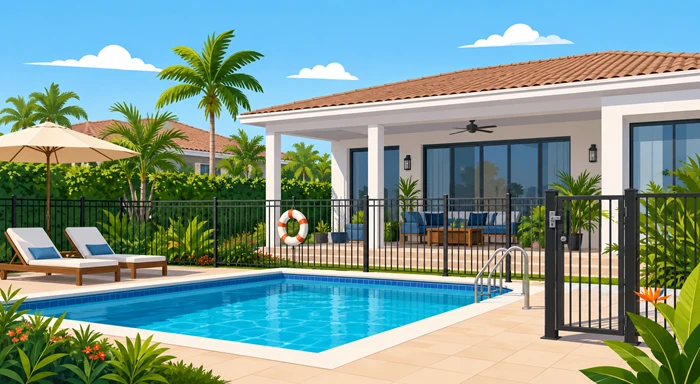
A properly installed barrier helps prevent unsupervised access to the pool area. The fence should meet required height and gate specifications while limiting opportunities for children to climb over or crawl underneath.
Routine inspections ensure fences remain secure and continue functioning as intended.
Self-Closing, Self-Latching Gates
Every access gate leading to the pool should automatically close and latch after opening.
This simple feature significantly reduces the chance of someone accidentally leaving the gate open.
Door and Window Alarms
If the home provides direct access to the pool, alarms installed on doors or windows can alert occupants whenever someone enters the pool area.
These alarms offer another layer of protection without affecting guest convenience.
Safety Pool Covers
Approved safety covers can prevent accidental entry when the pool is not in use.
Not every pool uses this option, but it can be an effective solution depending on the property’s design.
Why Compliance Matters for Vacation Rentals
Pool safety goes far beyond meeting legal requirements.
A safe swimming environment creates confidence for families traveling with children. Guests are more likely to leave positive reviews when they feel the property has been maintained responsibly.
Compliance can also help owners reduce exposure to liability if an accident occurs.
Many travelers specifically look for rentals that emphasize safety features before booking.
Routine Maintenance Is Just as Important
Installing safety equipment is only the first step.
Vacation rentals experience frequent guest turnover, meaning pool systems should be inspected regularly throughout the year.
Routine maintenance should include:
- Testing gate latches
- Verifying alarm operation
- Checking fence stability
- Inspecting pool covers
- Maintaining proper water chemistry
- Removing slip hazards around the pool deck
Preventative maintenance helps identify problems before they become expensive repairs or safety risks.
Preparing Guests for Safe Pool Use
Even the safest pool benefits from clear communication.
Consider providing guests with simple pool safety instructions inside the welcome guide or digital check-in materials.
Include reminders such as:
- Never leave children unattended.
- Avoid running on wet pool decks.
- Keep safety gates closed.
- Know where emergency equipment is located.
- Follow posted pool rules.
These small details improve the overall guest experience while encouraging responsible behavior.
Local Rules May Add Additional Requirements
Florida state law establishes minimum safety standards, but local governments may enforce additional regulations.
Depending on where your property is located, requirements may include inspection schedules, permitting, signage, or operational standards specific to vacation rentals.
Owners should periodically review local regulations to ensure ongoing compliance.
Understanding South Florida Airbnb rules can help avoid unexpected compliance issues and keep your rental operating smoothly.
Safety Features Can Improve Booking Appeal
Many travelers—especially families—actively search for vacation rentals that prioritize safety.
Listing features like fenced pools, secure gates, and child-safe designs in your property description can increase guest confidence during the booking process.
Guests often appreciate homes that balance luxury with thoughtful safety planning.
If your property also accommodates pets, many travelers choose rentals that combine secure outdoor spaces with family-friendly amenities. You can discover pet-friendly vacation rentals with fenced yards in South Florida while offering guests an even more enjoyable stay.
Professional Management Helps Maintain Compliance
Managing pool inspections, maintenance, bookings, cleaning schedules, and guest communication can quickly become overwhelming for property owners.
Professional managers help coordinate recurring inspections, vendor services, documentation, and ongoing compliance with safety standards.
Many owners prefer hands-off property management for miami vacation rentals because it allows them to focus on investment growth while experienced professionals oversee daily operations.
Safety Can Increase Long-Term Property Value
Pool safety investments shouldn’t be viewed solely as compliance expenses.
Modern fencing, attractive safety gates, updated lighting, and well-maintained outdoor areas improve curb appeal while making the property more attractive to future buyers and renters.
Many premium south florida vacation rentals distinguish themselves through a combination of luxury amenities and strong safety standards.
As buyer preferences evolve, it’s also worth noting how mega-homes are outperforming condos in South Florida, particularly among travelers seeking private outdoor spaces and premium amenities.
Choosing Pool Designs That Support Safety
Beautiful pools don’t have to sacrifice safety.
Many modern florida swimming pool designs incorporate features such as gradual entries, slip-resistant decking, improved visibility, integrated lighting, and strategically positioned fencing without affecting aesthetics.
When planning renovations, consider both visual appeal and long-term safety performance.
Final Thoughts
Owning a vacation rental with a private pool offers tremendous value to guests, but it also comes with important responsibilities. Understanding applicable safety laws, maintaining protective equipment, and regularly inspecting your pool area all contribute to a safer guest experience.
Compliance is more than checking a legal box—it’s an investment in guest trust, positive reviews, and the long-term success of your vacation rental business. Whether you manage one property or an expanding portfolio, prioritizing pool safety is one of the smartest decisions you can make.
Frequently Asked Questions (FAQs)
1. Are pool fences required for Florida vacation rentals?
Yes, qualifying properties generally need approved safety barriers or other compliant safety features.
2. Do self-closing gates improve pool safety?
Yes, they help prevent accidental access by automatically closing after use.
3. Should pool alarms be tested regularly?
Yes, alarms should be checked routinely to ensure they function properly.
4. Can local counties have additional pool rules?
Yes, local governments may enforce regulations beyond Florida state requirements.
5. Does professional property management help with compliance?
Yes, experienced managers often coordinate inspections, maintenance, and ongoing safety requirements.