
If you’re planning to sell house fast in South Florida, one of the biggest questions you probably have is: “How do cash home buyers calculate their offers?”
Many homeowners assume there’s a hidden formula or that investors simply make lowball offers. In reality, reputable buyers follow a fairly straightforward process based on market conditions, property value, repair costs, and potential investment returns.
Understanding how these offers are calculated can help you make informed decisions, compare options confidently, and avoid surprises during the selling process. Whether you’re dealing with an inherited property, financial hardship, relocation, or simply want a quicker sale, knowing the numbers behind the offer can give you a significant advantage.
In this guide, we’ll break down exactly how cash buyers evaluate properties in South Florida and reveal the factors that influence the final offer.
Why Cash Buyers Use a Different Pricing Model
Traditional homebuyers typically purchase a property to live in it. Their offer is often influenced by emotions, personal preferences, and financing approval.
Cash investors, however, evaluate homes as business opportunities. Their goal is to purchase, improve if necessary, and either resell or rent the property for a profit.
Because of this, they focus on measurable factors such as:
-
Current market value
-
Repair and renovation costs
-
Holding expenses
-
Local market trends
-
Potential resale value
-
Risk level of the investment
This business-focused approach explains why cash offers often differ from traditional market listings.
The Starting Point: Determining the Property’s Market Value
The first step is establishing what the home would likely sell for in its current market.
Most investors review:
-
Recent comparable sales
-
Neighborhood property values
-
Local housing demand
-
Property size and layout
-
Lot characteristics
-
Age and condition of the home
Comparable sales, commonly called “comps,” are especially important. Buyers typically examine similar homes sold within the past few months to estimate a realistic market value.
In competitive areas of south florida real estate, recent sales data can significantly impact offer calculations.
Understanding After Repair Value (ARV)
One of the most common metrics investors use is After Repair Value (ARV).
ARV refers to the estimated market value of the property after all repairs and upgrades are completed.
For example:
-
Current condition value: $280,000
-
Estimated renovation costs: $40,000
-
Projected value after repairs: $360,000
The ARV helps investors determine whether the purchase makes financial sense.
Repair Costs Play a Major Role
After evaluating market value, buyers inspect the property’s condition.
Repairs can range from cosmetic updates to major structural improvements.
Common repair categories include:
Cosmetic Improvements
-
Interior painting
-
Flooring replacement
-
Kitchen upgrades
-
Bathroom updates
-
Landscaping
Mechanical Systems
-
HVAC replacement
-
Plumbing repairs
-
Electrical updates
-
Water heater replacement
Structural Issues
-
Roof damage
-
Foundation concerns
-
Termite damage
-
Mold remediation
Investors usually create detailed repair estimates before making an offer.
The higher the repair costs, the lower the potential purchase offer may be.
Holding Costs Are Included in Calculations
Many homeowners overlook the expenses investors face after purchasing a property.
Holding costs may include:
-
Property taxes
-
Insurance
-
Utilities
-
HOA fees
-
Maintenance expenses
-
Financing costs (if applicable)
Even when paying cash, investors must account for these ongoing expenses while preparing the property for resale or rental.
The longer a project takes, the greater the financial risk.
Local Market Conditions Matter
The South Florida housing market can vary dramatically between neighborhoods.
A property located in a high-demand area may receive a stronger offer than a similar home in a slower-moving market.
Buyers evaluate:
-
Inventory levels
-
Buyer demand
-
Days on market
-
Economic trends
-
Population growth
-
Neighborhood development
Market conditions influence how quickly a property can be sold and the profit potential available after improvements.
Recently, many investors have also been paying close attention to how rising interest rates are affecting florida home buyers, since borrowing costs can affect overall market activity and resale opportunities.
Risk Assessment Influences Every Offer
Every real estate investment carries some level of risk.
Cash buyers evaluate factors such as:
-
Title issues
-
Code violations
-
Open permits
-
Property liens
-
Flood zone exposure
-
Insurance challenges
Higher-risk properties often result in more conservative offers because investors must account for potential unexpected costs.
Properties With Legal or Financial Challenges
Homes facing legal complications require additional due diligence.
For example, homeowners trying to sell a house after bankruptcy in florida may encounter unique considerations involving court requirements, liens, and creditor obligations.
These factors can affect both transaction timelines and offer calculations.
The Profit Margin Factor
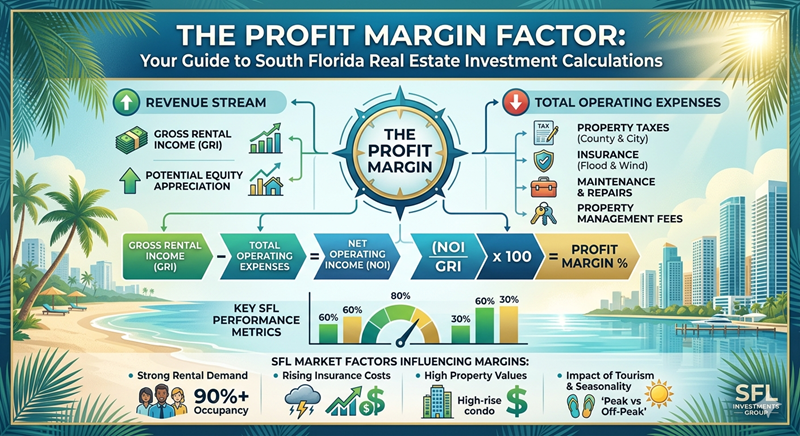
Investors must leave room for profit after accounting for all expenses.
A simplified calculation may look something like this:
-
ARV: $400,000
-
Repairs: $50,000
-
Holding costs: $15,000
-
Selling expenses: $25,000
-
Desired profit: $40,000
Potential maximum purchase price:
$400,000 − $50,000 − $15,000 − $25,000 − $40,000 = $270,000
While actual calculations can be more detailed, this example demonstrates how investors arrive at an offer amount.
Why Different Buyers Offer Different Prices
Many sellers are surprised when multiple buyers provide different offers on the same property.
This happens because every investor has unique:
-
Business models
-
Risk tolerance
-
Renovation capabilities
-
Exit strategies
-
Profit expectations
One buyer may specialize in major renovations, while another focuses on rental properties.
As a result, obtaining multiple offers is often beneficial.
When evaluating potential buyers, it’s helpful to understand what experienced cash home buyers look for and how they structure their purchasing process.
Do Cash Buyers Always Make Low Offers?
Not necessarily.
While cash offers are often lower than retail market listings, sellers should consider what they’re receiving in return.
Benefits commonly include:
-
Faster closing timelines
-
No lender delays
-
No repair requirements
-
Reduced closing complications
-
Lower carrying costs for sellers
When comparing options, it’s important to calculate your net proceeds rather than focusing solely on the purchase price.
A higher traditional offer may ultimately result in similar profits after repairs, commissions, closing costs, and months of waiting.
How Cash Purchases Save Sellers Time
One reason many homeowners choose cash transactions is convenience.
Unlike traditional sales, cash buyers generally eliminate many common obstacles such as:
-
Mortgage approvals
-
Appraisal contingencies
-
Extensive repair negotiations
-
Financing delays
If you’re researching how cash home buying works, you’ll find that streamlined transactions often allow sellers to close in days rather than months.
This speed can be especially valuable during relocations, financial challenges, probate situations, or inherited property sales.
What Sellers Can Do Before Requesting an Offer
You don’t need to renovate your entire home before seeking a cash offer.
However, providing accurate information can help buyers create more precise estimates.
Consider gathering:
-
Property tax information
-
HOA details
-
Repair history
-
Roof age
-
HVAC age
-
Utility records
Transparency often leads to smoother negotiations and more accurate offers.
Finding the Right Buyer
Not all investors operate the same way.
Before accepting an offer, homeowners should:
-
Verify company credentials
-
Read reviews
-
Ask questions about the process
-
Request proof of funds
-
Compare multiple offers
Many homeowners start by searching for cash home buyers near me to identify local companies familiar with neighborhood-specific market conditions.
Working with experienced florida cash home buyers who understand regional trends can often lead to more accurate valuations and smoother transactions.
For homeowners seeking a streamlined sale process, companies that specialize in helping people sell house fast for cash may offer solutions tailored to unique situations and timelines.
Final Thoughts
There are no hidden secrets behind how cash buyers calculate their offers.
Most reputable investors rely on a combination of market value, repair costs, local trends, holding expenses, risk assessment, and profit requirements. While every buyer may use slightly different formulas, the underlying principles remain largely the same.
Understanding these factors allows homeowners to evaluate offers more confidently and determine whether a cash sale aligns with their goals. The more informed you are about the process, the easier it becomes to identify fair offers and choose the right path for your property.
Frequently Asked Questions
1. How quickly can a cash home buyer make an offer?
Most buyers can provide an offer within 24 to 48 hours after evaluating the property.
2. Do I need to repair my home before selling to a cash buyer?
No, most cash buyers purchase homes in their current condition.
3. Are cash offers negotiable?
Yes, many investors are open to reasonable negotiations based on property details.
4. Do cash buyers charge commissions?
Typically no, since they purchase directly without traditional agent involvement.
5. Can I sell a property with liens or title issues?
Many cash buyers can purchase properties with certain legal or title complications.