
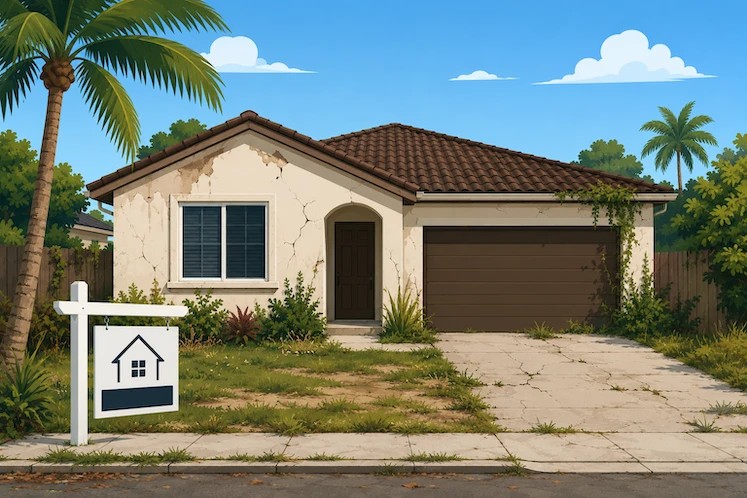
Selling a home in South Florida can move quickly when everything lines up properly. But some properties struggle to attract offers even in active markets. In many cases, buyers are not just comparing prices — they are reacting emotionally to warning signs that make them hesitate.
Today’s buyers are more cautious than ever. Rising insurance costs, repair concerns, and financing challenges have made people pay closer attention to property condition, presentation, and long-term expenses before making decisions.
The good news is that many common buyer concerns can be identified and addressed early. Understanding what scares buyers away can help homeowners avoid long market delays and improve their chances of selling faster.
Strong Odors Immediately Turn Buyers Away
One of the fastest ways to lose buyer interest is unpleasant odors inside the property.
Buyers often notice smells within seconds of walking through the front door. Pet odors, cigarette smoke, mildew, mold, sewage issues, or strong cooking smells can create instant negative impressions that are difficult to overcome.
Mold Smells Create Major Concerns
In South Florida’s humid climate, buyers are especially sensitive to mold-related odors.
Even if visible mold is not present, a musty smell may cause buyers to worry about hidden water damage, expensive remediation, or long-term health issues. Some buyers will walk away immediately rather than risk future problems.
Understanding whether cash buyers buy homes with mold problems can help you explore alternative selling options without extensive repairs. If your property already has moisture concerns,
Smoke Damage Affects Buyer Confidence
Lingering smoke odors from cigarettes or previous fire damage can also create hesitation.
Buyers may assume smoke damage extends into walls, ventilation systems, or flooring materials. Even after cleaning, these concerns can reduce buyer confidence significantly.
Visible Damage Makes Buyers Nervous
Minor cosmetic issues may seem harmless to sellers, but buyers often view visible damage as a warning sign of larger hidden problems.
Water Stains Raise Immediate Questions
Ceiling stains, warped flooring, bubbling paint, or damaged drywall often make buyers suspect roof leaks or plumbing issues.
In Florida, water intrusion concerns are taken seriously because of hurricane exposure and high humidity levels.
Fire Damage Creates Financing Challenges
Properties with visible fire damage or previous structural issues can become difficult to finance traditionally.
Many buyers avoid these homes because they fear unexpected repair costs, insurance complications, or inspection problems.
Outdated Homes Can Feel Overwhelming
Many buyers want move-in-ready homes.
While older homes still attract interest, properties with outdated interiors, aging systems, or old layouts often stay on the market longer because buyers mentally calculate renovation costs during every showing.
Old Kitchens and Bathrooms Reduce Appeal
Buyers pay close attention to kitchens and bathrooms because these are some of the most expensive spaces to remodel.
Dark cabinets, old countertops, dated tile, poor lighting, or aging fixtures can make homes feel far older than they actually are.
Popcorn Ceilings and Heavy Interiors Feel Dated
Dark interiors, heavy drapes, textured ceilings, and older flooring styles can make spaces feel smaller and less inviting.
Simple cosmetic improvements sometimes create major differences in buyer perception.
Poor Curb Appeal Hurts First Impressions
Buyers often decide how they feel about a property before they even walk inside.
An overgrown yard, peeling paint, damaged fences, or cluttered exterior areas immediately reduce excitement.
Exterior Maintenance Signals Overall Care
When buyers notice neglected landscaping or exterior damage, they often assume the inside of the property may have hidden maintenance issues too.
Pressure washing, trimming landscaping, repainting, and improving lighting can dramatically improve first impressions.
Hurricane Damage Concerns Matter
South Florida buyers are highly aware of storm-related risks.
Loose roofing materials, damaged gutters, cracked driveways, or poor drainage may cause buyers to worry about future repair expenses.
Overpricing Scares Away Serious Buyers
Pricing remains one of the biggest reasons homes struggle to sell.
Even attractive homes can sit on the market when the asking price feels disconnected from nearby comparable properties.
Buyers Compare Listings Constantly
Most buyers review multiple homes online before scheduling showings.
If your property appears overpriced compared to similar homes with newer upgrades or better locations, buyers may skip it entirely.
Long Market Time Creates Suspicion
Once a property sits on the market too long, buyers begin asking questions.
They may assume:
-
major repairs are needed
-
inspections failed
-
the seller is difficult
-
pricing is unrealistic
This can create a cycle where fewer showings lead to even less buyer confidence.
Clutter Makes Homes Feel Smaller
Overcrowded rooms prevent buyers from imagining themselves living in the property.
Too much furniture, personal items, overflowing closets, or excessive decorations make homes feel cramped and distracting.
Storage Space Matters More Than Ever
Buyers want homes that feel organized and functional.
Packed garages, crowded closets, and overflowing cabinets may unintentionally suggest the property lacks enough storage space.
Decluttering often improves the overall flow of the home immediately.
Bad Listing Photos Reduce Showings
Many buyers decide whether to visit a property based entirely on online photos.
Dark lighting, blurry images, poor angles, or unprepared rooms can significantly reduce showing activity.
Online Presentation Controls Buyer Interest
Professional photography can dramatically improve click-through rates and buyer engagement.
Bright natural lighting, clean staging, and wide-angle images help homes feel more inviting online.
Mobile Buyers Scroll Quickly
Most buyers now browse listings on their phones.
If your property fails to stand out visually within seconds, they often move on to the next listing immediately.
Insurance and Roof Concerns Scare Buyers
Insurance has become a major factor in Florida real estate decisions.
Buyers are now looking beyond mortgage costs and paying closer attention to:
-
roof age
-
flood zones
-
storm exposure
-
insurance premiums
-
inspection requirements
Older Roofs Reduce Buyer Confidence
Many buyers hesitate when a roof approaches replacement age.
Insurance companies in Florida have become stricter about roof conditions, and buyers know replacement costs can be substantial.
Flood Zones Affect Affordability
Homes located in flood-prone areas may come with higher insurance costs that affect overall affordability.
Even buyers who love the property may reconsider once they calculate long-term expenses.
Deferred Maintenance Creates Trust Issues
Buyers pay attention to small details because they often reflect how the property was maintained overall.
Loose handles, broken fixtures, cracked tiles, leaking faucets, and damaged screens may seem minor individually, but together they create concern.
Small Repairs Influence Buyer Psychology
When buyers notice multiple unfinished repairs, they may assume larger hidden problems exist beneath the surface.
Simple maintenance updates often help restore buyer confidence quickly.
Buyers Sometimes Fear Difficult Transactions
The selling experience itself can also affect buyer interest.
Unresponsive communication, complicated showing schedules, unrealistic negotiation expectations, or inflexible sellers may cause buyers to move on.
Flexibility Helps Deals Move Forward
Homes tend to sell faster when sellers remain open to:
-
scheduling flexibility
-
reasonable negotiations
-
repair discussions
-
realistic timelines
A smoother process often creates stronger buyer confidence overall.
Get a Free Estimate for Your South Florida Property
If your property has repairs, outdated features, or concerns that may scare buyers away, understanding your selling options early can help you make better decisions.
Should You Sell Traditionally or Directly?
Not every home fits perfectly into the traditional listing process.
Some homeowners may benefit from agent representation and full-market exposure, while others prioritize speed, convenience, or avoiding repair expenses altogether.
Understanding whether you should use a realtor to sell your home can help you choose the best approach for your specific situation.
Final Thoughts
Many South Florida homes scare buyers away because of avoidable issues like strong odors, visible damage, poor presentation, unrealistic pricing, or outdated conditions.
Fortunately, most of these concerns can be improved with the right preparation and strategy.
By understanding what buyers notice first, homeowners can make smarter decisions before listing their property and improve their chances of attracting stronger offers faster.
Frequently Asked Questions
What scares buyers the most during home showings?
Strong odors, visible damage, mold concerns, outdated interiors, roof issues, and unrealistic pricing are some of the biggest buyer turnoffs.
Do outdated homes sell slower in South Florida?
In many cases, yes. Buyers often prefer move-in-ready homes and may hesitate when large renovation costs are expected.
Can mold problems stop a house from selling?
Mold concerns can reduce buyer interest significantly, especially if remediation costs are unclear or moisture issues appear ongoing.
Does curb appeal really matter?
Yes. First impressions heavily influence buyer emotions before they even enter the home.
Why do overpriced homes stay on the market longer?
Buyers compare multiple listings online quickly. If pricing feels too high compared to nearby homes, many buyers skip the property entirely.
Should I repair my home before selling?
It depends on your goals, timeline, and budget. Minor repairs and presentation improvements often provide strong returns before listing.