
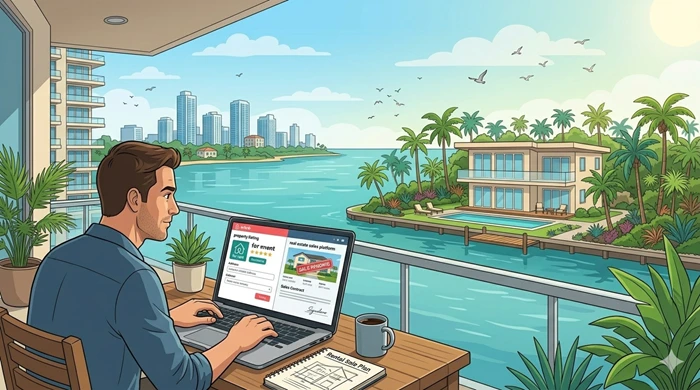
Owning an income property in South Florida can be rewarding, but managing and eventually selling it from another state comes with unique challenges. From handling tenants remotely to understanding local regulations and timing the market correctly, the process can quickly become overwhelming if you are not prepared.
Whether you inherited a condo in Miami, moved away years ago, or built a portfolio that no longer fits your goals, knowing how to approach the sale strategically can save time, reduce stress, and help maximize your return. This guide walks through the key steps out-of-state owners should take when preparing to sell a South Florida investment property while avoiding the most common mistakes.
Why Many Out-of-State Owners Decide to Sell
There are several reasons owners choose to move on from a property in South Florida. In many cases, distance simply makes management harder over time. Coordinating repairs, dealing with tenant turnover, and keeping up with local laws can become difficult when you are not physically nearby.
Some owners also decide that the timing is right for liquidating property assets and redirecting their equity into different investments or personal financial goals. Others may want to reduce risk exposure in a changing market or avoid increasing maintenance and insurance costs.
No matter the reason, selling remotely requires a more organized approach than a traditional local sale.
Understand the Current South Florida Market
Before listing your property, it is important to understand what buyers are looking for in today’s market. South Florida attracts a mix of investors, seasonal residents, retirees, and vacation home buyers, which means demand can shift quickly depending on economic conditions and tourism trends.
Properties near beaches, entertainment districts, and major business hubs typically receive stronger interest, especially when they are already producing income. Buyers also pay close attention to property condition, HOA regulations, and local rental restrictions.
If your property has been operating as one of the many successful short-term rentals, that income history may help attract investor buyers looking for immediate cash flow.
Decide Whether to Sell Occupied or Vacant
One of the biggest decisions landlords face is whether to sell with tenants still living in the property.
Benefits of Selling Occupied
Selling an occupied property can appeal to investors because they immediately inherit rental income. This can make the property more attractive, especially in areas with strong rental demand.
Occupied homes also allow sellers to continue collecting rent during the sales process.
Benefits of Selling Vacant Properties
Vacant properties are often easier to show and photograph. Buyers who plan to live in the home themselves may also prefer vacant possession at closing.
If the current tenants are difficult, behind on rent, or not maintaining the property properly, waiting until the lease ends could lead to a smoother transaction.
The right choice often depends on lease terms, tenant cooperation, and your ideal buyer profile.
Organize Important Documents Early
Out-of-state sellers should prepare documentation before listing the property. Buyers and title companies will request information throughout the transaction, and delays can slow down closing.
Important documents may include:
- Lease agreements
- Maintenance records
- HOA documents
- Insurance paperwork
- Tax records
- Utility information
- Property management agreements
- Repair receipts
Having organized records builds buyer confidence and makes negotiations easier.
Evaluate Repairs Before Listing
Many remote owners underestimate how important presentation is in South Florida’s competitive market. Even investment-focused buyers want properties that appear well maintained.
A pre-listing inspection can help identify issues that may become negotiation problems later. Focus on repairs that improve buyer perception and reduce objections during inspections.
Pay special attention to:
- Roof condition
- HVAC systems
- Water damage
- Exterior appearance
- Flooring and paint
- Plumbing and electrical concerns
If managing repairs remotely feels overwhelming, working with experienced professionals or using reliable rental property management services beforehand can simplify the process considerably.
Know the Impact of Local Rental Regulations
South Florida cities continue adjusting regulations around vacation rentals and investment properties. Buyers increasingly ask questions about licensing requirements, occupancy rules, and local restrictions before making offers.
Understanding current rental property rules can help sellers answer buyer concerns confidently and avoid surprises during due diligence.
Even if your property is not currently used for short stays, investors often evaluate future flexibility before purchasing.
Timing the Sale Strategically
Seasonality matters in South Florida real estate. Buyer activity often increases during cooler months when seasonal residents and snowbirds arrive from northern states.
Listing during high-demand periods can increase showing activity and create stronger competition among buyers.
However, timing also depends on:
- Interest rates
- Inventory levels
- Tourism demand
- Local economic conditions
- Condo association changes
- Insurance market shifts
Owners who wait too long hoping for peak pricing sometimes face rising carrying costs that offset future gains.
Tax Considerations for Remote Owners
Selling an investment property involves several tax considerations that should be reviewed carefully with a CPA or tax professional.
You may face:
- Capital gains taxes
- Depreciation recapture
- State tax obligations
- FIRPTA withholding for foreign owners
- Transfer taxes and closing costs
Owners with multiple properties may also explore 1031 exchange opportunities to defer taxes when purchasing another investment property.
Planning ahead can prevent unexpected financial surprises after closing.
Insurance and Liability Concerns
Many remote owners overlook how insurance affects both ownership costs and the sales process. South Florida’s insurance market has become increasingly complex due to hurricanes, flooding, and rising replacement costs.
Buyers frequently review claim history and premium estimates before moving forward. Having updated documentation for landlord insurance for rental property coverage can help reassure buyers that the home has been properly protected and maintained.
Properties with unresolved claims or outdated policies may face financing complications during escrow.
Prepare for Remote Closings
Fortunately, modern technology makes remote real estate closings much easier than they once were. Most out-of-state owners can complete the sale without traveling to Florida.
Common remote closing tools include:
- Mobile notary services
- Electronic signatures
- Overnight document delivery
- Wire transfers
- Remote online notarization
Work closely with your title company to verify identity requirements and signing procedures ahead of time.
Pricing Your Property Correctly
Accurate pricing is critical when selling from out of state. Overpricing often leads to extended market time, price reductions, and reduced buyer confidence.
South Florida buyers are highly informed and regularly compare properties online before scheduling showings.
A strong pricing strategy should consider:
- Comparable recent sales
- Rental income potential
- Property condition
- HOA fees
- Insurance costs
- Neighborhood demand
- Seasonal trends
A properly priced home often attracts stronger offers faster, reducing carrying expenses and holding risks.
Marketing Matters More Than Many Owners Realize
Remote owners sometimes assume buyers will automatically be interested because South Florida remains a desirable market. In reality, professional marketing plays a major role in attracting qualified buyers.
High-quality listing photos, video walkthroughs, and detailed income information can dramatically improve engagement online.
For investor-focused listings, buyers often want details about:
- Occupancy history
- Average rental income
- Operating expenses
- Local demand trends
- Renovation history
- Future growth potential
Strong marketing creates urgency and helps properties stand out in competitive markets.
Should You Sell to an Investor or Traditional Buyer?
Out-of-state owners often benefit from comparing both options before listing.
Selling to a Traditional Buyer
Traditional buyers may pay more if the property is fully updated and move-in ready. However, these sales can involve financing delays, inspection negotiations, and longer closing timelines.
Selling to an Investor
Investor sales often move faster and may involve fewer contingencies. This can be helpful for owners who want convenience, speed, or minimal repairs.
Some homeowners looking to sell their house fast choose direct buyers to avoid months of uncertainty and ongoing carrying costs.
The right option depends on your priorities, timeline, and property condition.
Avoid Common Mistakes Remote Sellers Make
Out-of-state landlords often run into the same avoidable problems during the selling process.
Waiting Too Long to Address Maintenance
Minor issues become major negotiation points when ignored.
Choosing the Wrong Property Manager
Poor management can hurt tenant relations, property condition, and buyer confidence.
Ignoring Local Legal Updates
Cities throughout South Florida regularly update regulations affecting investors and short-term housing.
Understanding current short-term rental rules in South Florida can help avoid compliance issues that delay or complicate a sale.
Failing to Prepare Financial Records
Investors want clear documentation. Missing income or expense records can reduce buyer trust.
Overestimating Market Value
Emotional attachment and outdated pricing expectations can hurt negotiating leverage.
Building an Exit Strategy That Makes Sense
Every property owner eventually reaches a point where reevaluating long-term goals becomes necessary. A well-planned rental property investment strategy includes knowing when to hold and when to sell.
For some owners, reinvesting proceeds into different markets makes more sense than continuing to manage from afar. Others may decide to simplify their finances, reduce stress, or transition away from active property ownership entirely.
There is no universal answer. The key is making a decision based on market conditions, financial goals, and lifestyle priorities rather than emotion alone.
Conclusion
Selling a South Florida investment home while living out of state can feel complicated, but the process becomes much more manageable with the right preparation. Understanding local market trends, organizing documents early, preparing the property properly, and staying informed about regulations all play an important role in achieving a successful sale.
Whether you are moving on from a long-term rental property or repositioning your portfolio, a strategic approach helps protect your profits and reduce unnecessary stress. The more proactive you are before listing, the smoother the transaction will likely be from contract to closing.
FAQs
Can I sell my South Florida rental without traveling?
Yes, most closings can now be completed remotely using electronic signatures and mobile notary services.
Should I sell my property with tenants still inside?
It depends on your buyer type, lease terms, and how cooperative the tenants are.
Are short-term rental properties easier to sell?
They can attract investors faster if they have strong documented income history.
Do I need to update the property before selling?
Minor repairs and presentation improvements often help increase buyer interest and offer quality.
What documents do buyers usually request?
Buyers commonly ask for leases, income records, maintenance history, insurance information, and HOA documents.