
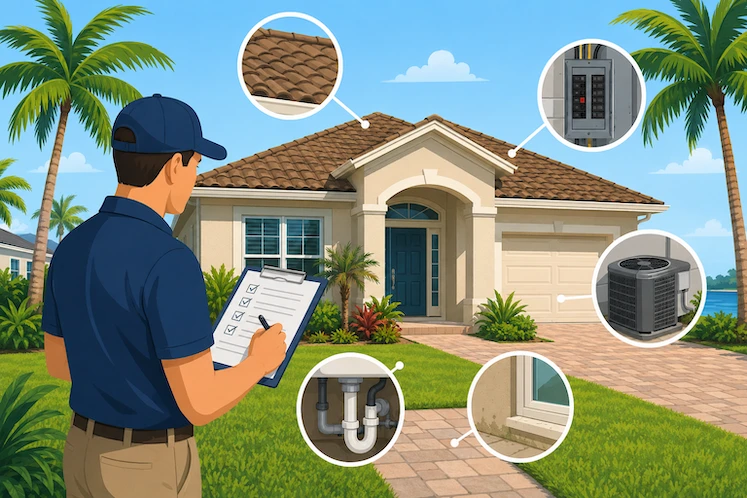
Buying or selling a home in Florida is a major financial decision, and one of the most important steps in the process is the home inspection. Whether you’re a first-time buyer, a seasoned investor, or preparing to sell your property, understanding what happens during a Florida home inspection can help you avoid surprises and make informed decisions.
Florida homes face unique environmental challenges, including high humidity, hurricanes, heavy rainfall, and termite activity. Because of these factors, home inspections in the Sunshine State often uncover issues that may not be as common in other parts of the country.
In this guide, we’ll walk through what to expect during a Florida home inspection, what inspectors look for, common issues they discover, and how buyers and sellers can prepare for a smoother transaction.
Why a Home Inspection Matters in Florida
A home inspection provides a professional evaluation of a property’s condition. While it is not legally required in most real estate transactions, it is highly recommended.
For buyers, an inspection can reveal hidden defects that may affect the home’s value, safety, or future maintenance costs. For sellers, identifying issues before listing can help prevent delays and reduce the risk of negotiations falling apart.
A thorough inspection can also influence financing, insurance approvals, and repair requests during the closing process.
When the Home Inspection Takes Place
Typically, the inspection occurs after the seller accepts an offer but before the transaction closes.
Most purchase contracts include an inspection contingency period that allows buyers to:
-
Conduct a professional inspection
-
Review findings
-
Request repairs
-
Renegotiate terms
-
Cancel the contract under specific conditions
This period is one of the most critical stages of the home-buying process because it gives buyers a clear understanding of the property’s condition before committing to the purchase.
How Long Does a Florida Home Inspection Take?
The average Florida home inspection takes between two and four hours.
Several factors can affect inspection time, including:
-
Home size
-
Property age
-
Accessibility of systems and components
-
Additional inspections requested
Larger homes, waterfront properties, and older houses often require more detailed evaluations.
What a Florida Home Inspector Examines
A home inspection is a visual assessment of accessible areas throughout the property.
Roof Condition
Florida’s weather can be extremely harsh on roofing systems.
Inspectors typically evaluate:
-
Missing or damaged shingles
-
Signs of leaks
-
Flashing conditions
-
Roof age
-
Drainage performance
-
Storm-related damage
Since roof replacement can be one of the most expensive home repairs, buyers pay close attention to this section of the report.
Foundation and Structural Components
Inspectors examine the home’s structural integrity by checking:
-
Foundation cracks
-
Uneven floors
-
Wall movement
-
Settlement issues
-
Structural damage
Minor cracking may be normal, but larger issues can indicate costly repairs.
Exterior Features
The exterior inspection includes:
-
Siding condition
-
Exterior walls
-
Windows
-
Doors
-
Driveways
-
Walkways
-
Decks and patios
Inspectors also look for water intrusion and signs of deterioration caused by Florida’s humid climate.
Electrical System
Electrical safety is a major component of every inspection.
The inspector reviews:
-
Electrical panels
-
Circuit breakers
-
Wiring
-
Grounding systems
-
GFCI outlets
-
Safety hazards
Older Florida homes may contain outdated electrical systems that require upgrades.
Plumbing System
Plumbing issues can be expensive if left undetected.
Inspectors evaluate:
-
Water supply lines
-
Drainage systems
-
Water heaters
-
Faucets and fixtures
-
Visible leaks
-
Water pressure
Florida’s hard water conditions can contribute to premature wear in plumbing components.
HVAC System
Air conditioning is essential in Florida.
Inspectors check:
-
Cooling performance
-
Air handlers
-
Ductwork
-
Thermostats
-
System age
-
Visible maintenance concerns
A failing HVAC system can significantly affect a home’s value and future ownership costs.
Interior Areas
Inside the home, inspectors examine:
-
Walls
-
Ceilings
-
Floors
-
Doors
-
Windows
-
Stairs
-
Cabinets
They also look for signs of water damage, mold growth, and structural movement.
Attic Inspection
The attic can reveal numerous hidden problems.
Inspectors check:
-
Ventilation
-
Insulation
-
Moisture intrusion
-
Roof leaks
-
Pest activity
Poor attic ventilation is particularly common in Florida and can contribute to mold growth and energy inefficiency.
Additional Inspections Often Recommended in Florida
Because of Florida’s environmental conditions, buyers frequently order specialized inspections in addition to the standard home inspection.
Wind Mitigation Inspection
A wind mitigation inspection evaluates features that help protect a home from hurricane damage.
This inspection may identify:
-
Hurricane straps
-
Impact-resistant windows
-
Reinforced roofing systems
-
Storm-resistant construction features
In many cases, homeowners may qualify for insurance discounts based on the results.
Four-Point Inspection
Insurance companies often require four-point inspections for older homes.
This inspection focuses on:
-
Roof
-
Plumbing
-
Electrical
-
HVAC systems
The goal is to determine insurability and assess major system conditions.
Termite Inspection
Florida’s warm climate creates ideal conditions for termites.
A termite inspection looks for:
-
Active infestations
-
Previous damage
-
Conditions conducive to pest activity
Termite issues can become costly if not addressed quickly.
Mold Inspection
Florida’s humidity increases the risk of mold growth.
A mold inspection may be recommended if inspectors notice:
-
Water damage
-
Musty odors
-
Elevated moisture levels
-
Visible mold growth
Common Problems Found During Florida Home Inspections
While every property is different, some issues appear frequently throughout Florida.
Roof Damage
Strong sun exposure, tropical storms, and hurricanes can shorten roof lifespan and create hidden vulnerabilities.
Water Intrusion
Heavy rainfall and high humidity often lead to moisture-related problems, particularly around windows, roofs, and foundations.
HVAC Concerns
Air conditioning systems work hard year-round in Florida. Older units may show signs of wear or reduced efficiency.
Electrical Deficiencies
Outdated wiring, overloaded panels, and safety concerns are commonly discovered in older properties.
Plumbing Leaks
Small plumbing leaks can go unnoticed for years and eventually cause significant damage.
Mold and Moisture Issues
Excess humidity creates ideal conditions for mold growth if ventilation and moisture control are inadequate.
What Buyers Should Do After the Inspection
Once the inspection report is completed, buyers should carefully review the findings with their real estate agent.
Prioritize Major Issues
Not every defect requires negotiation.
Focus on:
-
Structural concerns
-
Roof problems
-
Electrical hazards
-
Plumbing failures
-
Significant water damage
Minor cosmetic issues are usually expected in most homes.
Request Repairs or Credits
Depending on the findings, buyers may:
-
Request repairs
-
Ask for seller concessions
-
Negotiate a lower purchase price
-
Accept the property as-is
Understanding the true condition of the home helps buyers make informed decisions during negotiations.
Plan Future Maintenance
Even if no major issues are found, the inspection report serves as a valuable roadmap for future home maintenance and upgrades.
How Sellers Can Prepare for a Home Inspection
Preparation can make a significant difference in how smoothly the inspection process goes.
Improve Accessibility
Ensure inspectors can easily access:
-
Attics
-
Electrical panels
-
HVAC equipment
-
Water heaters
-
Crawl spaces
Blocked access may delay the inspection or raise concerns.
Address Minor Repairs
Fixing simple issues beforehand can help create a better impression.
Examples include:
-
Replacing burned-out bulbs
-
Repairing leaky faucets
-
Securing loose handrails
-
Replacing damaged screens
Organize Maintenance Records
Providing documentation for repairs, roof replacements, HVAC servicing, and renovations can give buyers greater confidence.
Understand Factors Affecting Marketability
Some sellers are surprised when inspection findings impact negotiations. Issues such as community costs can also influence buyer decisions. Understanding how monthly HOA expenses affect perceived value may help sellers better position their property.
When Inspection Issues Delay a Sale
Not every transaction proceeds smoothly after an inspection.
In some cases, unresolved maintenance concerns contribute to longer selling timelines. Homeowners experiencing repeated buyer hesitation may find it helpful to understand slow home selling challenges that commonly affect Florida properties.
Inspection reports often play a significant role in these situations.
Considering Your Selling Options
If a property requires substantial repairs, sellers sometimes explore alternatives to the traditional market.
Understanding the differences between a cash offer comparison and a conventional listing can help homeowners determine which approach best fits their circumstances.
Every situation is unique, especially when inspection findings reveal unexpected repair costs.
Conclusion
A Florida home inspection is one of the most important steps in any real estate transaction. It provides buyers with valuable insight into a property’s condition and helps sellers address concerns before they become obstacles.
From roof evaluations and plumbing inspections to HVAC systems and structural assessments, inspectors examine the components that matter most. Because Florida homes face unique environmental challenges, understanding the inspection process can help both buyers and sellers navigate transactions with greater confidence.
Whether you’re purchasing your dream home, preparing to sell, or evaluating investment opportunities, knowing what to expect during a Florida home inspection can save time, money, and unnecessary stress.
If you’re considering selling your property and want a fast, straightforward solution, and to explore your options and better understand your home’s current market value.
Frequently Asked Questions
How much does a home inspection cost in Florida?
Most Florida home inspections range from $300 to $700, depending on the size, age, and location of the property.
Can a home fail a Florida home inspection?
No. Home inspections do not result in a pass or fail grade. The inspector simply reports findings so buyers and sellers can make informed decisions.
Should buyers attend the inspection?
Yes. Attending the inspection allows buyers to ask questions, see potential issues firsthand, and better understand the property’s condition.
Are inspectors required to find every problem?
No. A home inspection is a visual evaluation of accessible areas and may not uncover hidden defects behind walls or under flooring.
What are the most common issues found during Florida inspections?
Roof damage, moisture intrusion, HVAC concerns, electrical deficiencies, plumbing leaks, and mold-related issues are among the most frequently reported problems.
Is a mold inspection included in a standard home inspection?
Typically, no. Mold inspections are usually separate services unless specifically included by the inspection company.