
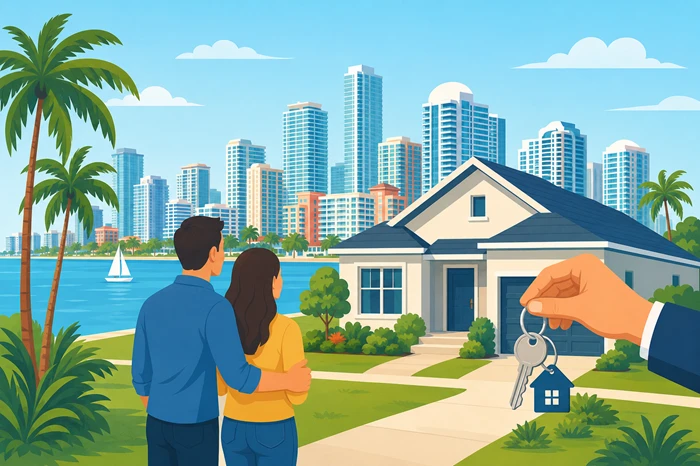
Buying a home in Miami can feel overwhelming, especially when you’re trying to save enough money for a down payment. Rising property prices, competitive neighborhoods, and closing costs often make homeownership seem out of reach. Fortunately, down payment assistance programs for home buyers can help qualified buyers reduce their upfront expenses and move into a home sooner.
Whether you’re purchasing your first property or returning to the housing market, understanding the available financial assistance options can make a significant difference. This guide explains how these programs work, who qualifies, and how they fit into today’s miami real estate market while helping you make smarter financial decisions.
What Are Down Payment Assistance Programs?
Down payment assistance programs are financial aid initiatives designed to help eligible buyers cover part or all of their down payment and, in some cases, closing costs. These programs are commonly offered through state agencies, local governments, nonprofit organizations, and approved lending institutions.
Depending on the program, assistance may come in the form of:
- Grants that don’t require repayment
- Forgivable second mortgages
- Low-interest deferred loans
- Matching savings programs
The goal is to make homeownership more accessible without placing unnecessary financial strain on buyers.
Why Miami Buyers Benefit from These Programs
Miami continues to attract residents thanks to its strong economy, diverse communities, and desirable lifestyle. However, home prices have also increased over the years, making upfront costs one of the biggest challenges for buyers.
Assistance programs help bridge the financial gap, allowing buyers to purchase a home without waiting years to save a larger down payment. They also create opportunities for families to build long-term equity instead of continuing to rent.
For buyers who may also need flexible financing, comparing available loans for home buyers can help you understand additional funding options before committing to a purchase.
Who Qualifies for Assistance?
Eligibility requirements vary by program, but many share similar guidelines.
Common qualifications include:
- Meeting household income limits
- Purchasing a primary residence
- Completing a homebuyer education course
- Maintaining an acceptable credit score
- Working with an approved lender
- Buying within designated purchase price limits
Some programs specifically target teachers, healthcare workers, military veterans, and public service employees, while others are available to a broader range of buyers.
Types of Assistance Available
Grants
Grants provide funds that generally do not need to be repaid, making them one of the most attractive assistance options. Availability is often limited, so applying early is important.
Forgivable Loans
Some organizations offer second mortgages that are forgiven after you remain in the home for a specified number of years. If you meet the occupancy requirements, repayment may never be required.
Deferred Payment Loans
Deferred loans postpone repayment until you refinance, sell the property, or move out. This allows buyers to focus on their primary mortgage during the early years of ownership.
Low-Interest Assistance Loans
Certain programs provide affordable financing with below-market interest rates, reducing the overall cost of borrowing.
Understanding Florida Assistance Options
Many buyers search specifically for down payment assistance programs florida because statewide resources can often be combined with local opportunities. State housing agencies frequently partner with approved lenders to offer financial assistance that complements conventional and government-backed mortgages.
Before applying, review program guidelines carefully to understand income limits, occupancy requirements, and repayment terms.
If you’re preparing for your first purchase, reviewing this florida homeownership checklist every new buyer needs can help you stay organized throughout the buying process.
FHA Loan Assistance Programs
Government-backed mortgages remain popular because they allow lower down payments compared to many conventional loans. Some assistance options are designed specifically to work alongside FHA financing.
Many buyers ask about down payment assistance programs for fha loans, and the answer depends on the lender and local housing authority. In many cases, qualified borrowers can combine eligible assistance with FHA financing, making homeownership even more affordable.
Always verify that both your lender and assistance provider allow the programs to be used together before moving forward.
First-Time Home Buyer Opportunities
If you’re purchasing your first home, you’ll likely find the widest selection of available resources. Many organizations prioritize down payment assistance programs for first time home buyers because first-time purchasers often face the biggest financial barriers.
These initiatives commonly include:
- Reduced down payment requirements
- Closing cost assistance
- Educational workshops
- Financial counseling
- Lower interest financing options
Completing a certified homebuyer education course can also strengthen your application and prepare you for the responsibilities of homeownership.
Tips Before Applying
Taking a few simple steps before submitting an application can improve your chances of approval.
- Check your credit report for errors.
- Reduce outstanding debt whenever possible.
- Save additional funds for moving expenses.
- Gather income and employment documentation.
- Get pre-approved by an approved lender.
- Compare multiple assistance programs instead of choosing the first available option.
If you’re still deciding where to purchase, exploring Miami suburbs attracting buyers and investors can introduce you to neighborhoods experiencing steady growth and increasing buyer demand.
Being financially prepared also helps you act quickly when you find the right property.
Consider the Bigger Real Estate Picture
While finding financial assistance is important, choosing the right location matters just as much. Neighborhood growth, employment opportunities, schools, and future appreciation all influence long-term value.
Understanding local taxes is equally important. Learning about the Miami-Dade real estate transfer tax can help you estimate closing costs more accurately before finalizing your purchase.
Conclusion
Saving for a down payment remains one of the biggest obstacles to buying a home in Miami, but it doesn’t have to prevent you from becoming a homeowner. Assistance programs can significantly reduce upfront costs, making homeownership more achievable for qualified buyers.
The key is to research available options early, understand eligibility requirements, and work with experienced professionals who can guide you through both financing and the home-buying process. With careful planning and the right financial support, purchasing a home in Miami can become a realistic and rewarding goal.
Whether you’re purchasing your first home or moving into your next property, careful planning can make the process much smoother. If you’re selling your current property before buying another, working with professionals who help sell house fast can simplify your transition and help you move forward more efficiently.
Frequently Asked Questions
1. Who can apply for down payment assistance?
Most programs are available to eligible buyers who meet income, credit, and occupancy requirements.
2. Do I have to repay down payment assistance?
It depends on whether the assistance is a grant, forgivable loan, or deferred loan.
3. Can assistance cover closing costs?
Many programs allow funds to be used for both down payments and eligible closing costs.
4. Can I combine assistance with an FHA loan?
Yes, if both the lender and assistance program permit it.
5. Is homebuyer education required?
Many assistance programs require completion of an approved homebuyer education course.